Different Types of Orchids for Houseplant Beginners
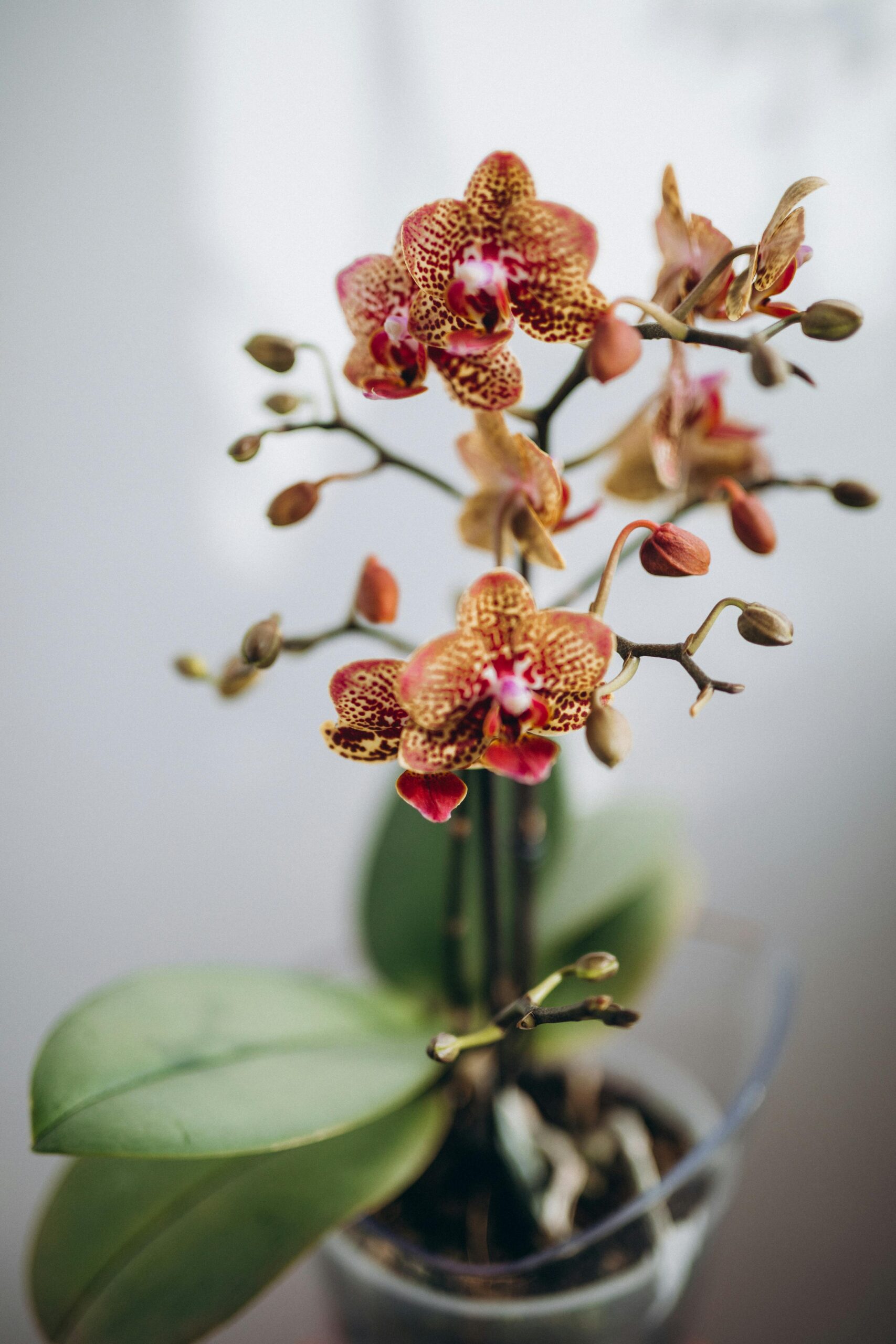
Orchids are a diverse and mesmerizing group of flowering plants that have captivated plant enthusiasts and collectors for centuries. With their unmatched beauty, scarcity, and variety, orchids are a popular choice for houseplant enthusiasts.
Whether you’re a beginner or an experienced gardener, understanding the different types of orchids is essential for providing proper care and ensuring their vibrant blooms brighten our living spaces.
In this comprehensive guide, we will explore a wide range of orchid varieties that can be grown as houseplants. Each type of orchid has its own unique features, care requirements, and characteristics.
From the elegant Phalaenopsis to the intriguing Masdevallia orchids, we’ll delve into the enchanting world of orchids and provide essential care tips to help you successfully grow these stunning plants in your home.
1. Phalaenopsis (Moth Orchid)
Phalaenopsis orchids, also known as Moth Orchids, are among the most popular houseplants due to their elegant, long-lasting blooms and easy care requirements.
Native to Southeast Asia, these orchids are known for their graceful, arching flower spikes that bear delicate, moth-like flowers.
The blooms come in various colors, including white, pink, purple, and yellow. With proper care, you can enjoy their exquisite blooms for up to three months, making them an excellent choice for first-time orchid growers.
Care Guide for Moth Orchid:
- Native area: Southeast Asia
- Height: 1-2 ft
- Light needs: Low to medium
- Water needs: Weekly
- Temperature: 60-85°F (15-29°C)
- Flowering Season: Winter-Spring
Phalaenopsis orchids prefer bright, indirect light and should be placed near a window with filtered sunlight. It’s important to avoid direct sunlight, as it can lead to leaf burn. These orchids thrive in temperatures between 60-85°F and should be kept away from drafty areas or temperature extremes.
When it comes to watering, Phalaenopsis orchids prefer to be slightly moist but not soggy. It’s best to water them once a week, allowing the potting mix to dry out slightly between waterings. To ensure proper drainage, use a well-draining potting mix specifically formulated for orchids.
Humidity is another important factor for the successful growth of Phalaenopsis orchids. They prefer high humidity levels, ideally around 50-70%. You can increase humidity by placing a tray of water near the orchid or using a humidifier. Misting the leaves occasionally can also help maintain adequate humidity.
Fertilizing Phalaenopsis orchids is essential for promoting healthy growth and vibrant blooms. Use a balanced orchid fertilizer diluted to half the recommended strength and apply it every two weeks during the growing season. In the winter months, reduce fertilization to once a month.
2. Cattleya (Corsage Orchid)
Cattleya orchids, often called Corsage Orchids, are famous for their large, showy flowers that come in many colors, including pink, purple, red, yellow, and white.
These orchids are native to Central and South America and are epiphytes, meaning they grow on tree trunks and branches in their natural habitat.
To thrive as a houseplant, Cattleya orchids require bright light, good air circulation, and a well-draining potting mix.
Care Guide for Corsage Orchid:
- Native area: Central and South America
- Height: 1-2 ft
- Light needs: Bright
- Water needs: Weekly
- Temperature: 55-85°F (13-29°C)
- Flowering Season: Spring-Fall
Cattleya orchids thrive in bright, indirect light. They should be placed near a window with filtered sunlight or under grow lights to ensure they receive the appropriate amount of light. It’s important to avoid direct sunlight, as it can lead to leaf burn.
When it comes to watering, Cattleya orchids prefer to dry out slightly between waterings. Water them thoroughly, allowing water to flow through the potting mix and drain out completely. It’s important to avoid overwatering, as it can lead to root rot. During the winter months, reduce watering frequency to allow the orchid to enter a period of rest.
Cattleya orchids prefer moderate temperatures between 55-85°F. They can tolerate temperature fluctuations, but it’s important to avoid extreme temperature changes. These orchids also appreciate good air circulation, so it’s beneficial to place a small fan near them to promote airflow.
Fertilizing Cattleya orchids is essential for promoting healthy growth and vibrant blooms. Use a balanced orchid fertilizer diluted to half the recommended strength and apply it every two weeks during the growing season. In the winter months, reduce fertilization to once a month.
3. Oncidium (Dancing Lady Orchid)
Oncidium orchids, commonly known as Dancing Lady Orchids, are beloved for their stunning, butterfly-like flowers that sway gracefully on tall, slender stems. Native to Central and South America, Oncidium orchids come in various colors, including yellow, brown, red, pink, and white.
The flowers often have unique patterns and intricate markings, giving them a striking appearance. As houseplants, Oncidium orchids require bright, indirect light and a well-draining potting mix to thrive.
With proper care, they can produce multiple flower spikes throughout the year.
Care Guide for Dancing Lady Orchid:
- Native area: Central and South America
- Height: 1-3 ft
- Light needs: Bright, indirect
- Water needs: Weekly
- Temperature: 55-80°F (13-27°C)
- Flowering Season: Year-round, depending on the species
Oncidium orchids thrive in bright, indirect light. Place them near a window with filtered sunlight or under grow lights to provide them with the appropriate amount of light. It’s important to avoid direct sunlight, as it can lead to leaf burn.
When it comes to watering, Oncidium orchids prefer to dry out slightly between waterings. Water them thoroughly, allowing water to flow through the potting mix and drain out completely. It’s important to avoid overwatering, as it can lead to root rot. During the winter months, reduce watering frequency to allow the orchid to enter a period of rest.
Oncidium orchids prefer moderate temperatures between 55-80°F. They can tolerate temperature fluctuations, but it’s important to avoid extreme temperature changes. These orchids also appreciate high humidity levels, so it’s beneficial to place a tray of water near the orchid or use a humidifier to maintain adequate humidity.
Fertilizing Oncidium orchids is essential for promoting healthy growth and vibrant blooms. Use a balanced orchid fertilizer diluted to half the recommended strength and apply it every two weeks during the growing season. In the winter months, reduce fertilization to once a month.
4. Dendrobium (Spray Orchid)
Dendrobium orchids, also known as Spray Orchids, are native to Asia, Australia, and the Pacific Islands. With over 1,000 species, Dendrobiums are among the most diverse groups of orchids.
They are prized for their elegant, spray-like clusters of flowers that come in a myriad of colors, including white, pink, purple, and yellow.
As houseplants, Dendrobium orchids need bright, indirect light and a well-draining potting mix. They also require a cooler rest period in the winter to encourage flowering in the spring.
Care Guide for Spray Orchid:
- Native area: Asia, Australia, Pacific Islands
- Height: 1-3 ft
- Light needs: Bright, indirect
- Water needs: Weekly
- Temperature: 50-85°F (10-29°C)
- Flowering Season: Spring-Summer
Dendrobium orchids thrive in bright, indirect light. Place them near a window with filtered sunlight or under grow lights to provide them with the appropriate amount of light. It’s important to avoid direct sunlight, as it can lead to leaf burn.
When it comes to watering, Dendrobium orchids prefer to dry out slightly between waterings. Water them thoroughly, allowing water to flow through the potting mix and drain out completely. It’s important to avoid overwatering, as it can lead to root rot. During the winter months, reduce watering frequency to allow the orchid to enter a period of rest.
Dendrobium orchids prefer moderate temperatures between 50-85°F. They can tolerate temperature fluctuations, but it’s important to avoid extreme temperature changes. These orchids also appreciate high humidity levels, so it’s beneficial to place a tray of water near the orchid or use a humidifier to maintain adequate humidity.
Fertilizing Dendrobium orchids is essential for promoting healthy growth and vibrant blooms. Use a balanced orchid fertilizer diluted to half the recommended strength and apply it every two weeks during the growing season. In the winter months, reduce fertilization to once a month.
5. Paphiopedilum (Lady’s Slipper Orchid)
Paphiopedilum, popularly known as the Lady’s Slipper Orchid, is a stunning genus of terrestrial orchids native to the tropical and subtropical regions of Asia. The Lady’s Slipper Orchid is cherished for its unique, pouch-like lip, which resembles a slipper and gives the orchid its distinctive name.
These captivating flowers come in a variety of colors and patterns, with some species even displaying mottled or striped foliage. To care for a Paphiopedilum, provide low to medium light, a well-draining potting mix like a mix of bark and sphagnum moss, and a temperature range of 55-80°F, depending on the species.
Keep the medium consistently moist but never soggy, and maintain high humidity by using a pebble tray or humidifier. Paphiopedilum orchids typically bloom from late fall to spring, adding a touch of elegance and intrigue to your indoor garden.
Care Guide for Lady’s Slipper Orchid:
- Native area: Tropical and subtropical Asia
- Height: 1-2 ft
- Light needs: Low to medium
- Water needs: Consistently moist
- Temperature: 55-80°F
- Flowering Season: Late fall-Spring
Paphiopedilum orchids prefer low to medium light levels. Place them in a location with bright, indirect light or near a window with filtered sunlight. It’s important to avoid direct sunlight, as it can lead to leaf burn.
When it comes to watering, Paphiopedilum orchids prefer to be consistently moist but not soggy. Water them thoroughly, allowing the potting mix to absorb water without leaving the orchid sitting in standing water. It’s important to avoid overwatering, as it can lead to root rot.
Paphiopedilum orchids thrive in moderate temperatures between 55-80°F. They can tolerate temperature fluctuations, but it’s important to avoid extreme temperature changes. These orchids also appreciate high humidity levels, so it’s beneficial to place a tray of water near the orchid or use a humidifier to maintain adequate humidity.
Fertilizing Paphiopedilum orchids is essential for promoting healthy growth and vibrant blooms. Use a balanced orchid fertilizer diluted to half the recommended strength and apply it every two weeks during the growing season. In the winter months, reduce fertilization to once a month.
6. Vanda (Singapore Orchid)
Vanda orchids, also known as Singapore Orchids, are native to Southeast Asia and are renowned for their vibrant, long-lasting flowers. Vandas come in various colors, including blue, purple, pink, red, and yellow, with many displaying striking patterns.
These orchids are epiphytes, which means they grow on tree trunks and branches in their natural habitat. As houseplants, they require bright light, high humidity, and good air circulation.
They can be grown in wooden baskets or mounted on slabs to mimic their natural growth habits.
Care Guide for Singapore Orchid:
- Native area: Southeast Asia
- Height: 2-4 ft
- Light needs: Bright
- Water needs: 2-3 times per week
- Temperature: 60-85°F (15-29°C)
- Flowering Season: Spring-Summer
Vanda orchids thrive in bright, indirect light. They should be placed near a window with filtered sunlight or under grow lights to provide them with the appropriate amount of light. It’s important to avoid direct sunlight, as it can lead to leaf burn.
When it comes to watering, Vanda orchids prefer to dry out slightly between waterings. Water them thoroughly, allowing water to flow through the potting mix and drain out completely.
It’s important to avoid overwatering, as it can lead to root rot. These orchids also appreciate high humidity levels, so it’s beneficial to place a tray of water near the orchid or use a humidifier to maintain adequate humidity.
Vanda orchids prefer moderate temperatures between 60-85°F. They can tolerate temperature fluctuations, but it’s important to avoid extreme temperature changes. Good air circulation is also important for the successful growth of Vanda orchids, so it’s beneficial to place a small fan near them to promote airflow.
Fertilizing Vanda orchids is essential for promoting healthy growth and vibrant blooms. Use a balanced orchid fertilizer diluted to half the recommended strength and apply it every two weeks during the growing season. In the winter months, reduce fertilization to once a month.
7. Cymbidium (Boat Orchid)
Cymbidium orchids, commonly known as Boat Orchids, are native to Asia and Australia. They are prized for their large, showy flowers in various colors, including white, pink, red, green, and yellow.
Cymbidiums are also known for their sweet fragrance, making them a favorite choice for floral arrangements. As houseplants, they prefer bright light, cool temperatures, and a well-draining potting mix.
They can tolerate lower light levels than many other orchids, making them suitable for indoor growing.
Care Guide for Boat Orchid:
- Native area: Asia, Australia
- Height: 2-3 ft
- Light needs: Bright
- Water needs: Weekly
- Temperature: 45-75°F (7-24°C)
- Flowering Season: Winter-Spring
Cymbidium orchids thrive in bright light. They should be placed in a location with bright, indirect light or near a window with filtered sunlight. It’s important to avoid direct sunlight, as it can lead to leaf burn.
When it comes to watering, Cymbidium orchids prefer to dry out slightly between waterings. Water them thoroughly, allowing water to flow through the potting mix and drain out completely. It’s important to avoid overwatering, as it can lead to root rot. During the winter months, reduce watering frequency to allow the orchid to enter a period of rest.
Cymbidium orchids prefer cool temperatures between 45-75°F. They can tolerate temperature fluctuations, but it’s important to avoid extreme temperature changes. These orchids also appreciate good air circulation, so it’s beneficial to place a small fan near them to promote airflow.
Fertilizing Cymbidium orchids is essential for promoting healthy growth and vibrant blooms. Use a balanced orchid fertilizer diluted to half the recommended strength and apply it every two weeks during the growing season. In the winter months, reduce fertilization to once a month.
8. Miltoniopsis (Pansy Orchid)
Miltoniopsis orchids, or Pansy Orchids, are native to Central and South America. They are famous for their large, flat flowers resembling pansies, with vibrant colors like pink, purple, red, and white.
These orchids are known for their captivating fragrance, which can fill a room with their sweet scent. As houseplants, Miltoniopsis orchids prefer lower light levels and cooler temperatures compared to other orchids.
They also require high humidity and a well-draining potting mix to thrive.
Care Guide for Pansy Orchid:
- Native area: Central and South America
- Height: 1-2 ft
- Light needs: Low to medium
- Water needs: Weekly
- Temperature: 55-75°F (13-24°C)
- Flowering Season: Spring-Summer
Miltoniopsis orchids prefer low to medium light levels. Place them in a location with bright, indirect light or near a window with filtered sunlight. It’s important to avoid direct sunlight, as it can lead to leaf burn.
When it comes to watering, Miltoniopsis orchids prefer to dry out slightly between waterings. Water them thoroughly, allowing water to flow through the potting mix and drain out completely.
It’s important to avoid overwatering, as it can lead to root rot. These orchids also appreciate high humidity levels, so it’s beneficial to place a tray of water near the orchid or use a humidifier to maintain adequate humidity.
Miltoniopsis orchids prefer cooler temperatures between 55-75°F. They can tolerate temperature fluctuations, but it’s important to avoid extreme temperature changes. These orchids also appreciate good air circulation, so it’s beneficial to place a small fan near them to promote airflow.
Fertilizing Miltoniopsis orchids is essential for promoting healthy growth and vibrant blooms. Use a balanced orchid fertilizer diluted to half the recommended strength and apply it every two weeks during the growing season. In the winter months, reduce fertilization to once a month.
9. Brassia (Spider Orchid)
Brassia orchids, also known as Spider Orchids, are native to Central and South America. They are known for their unique, spider-like flowers in various colors, including green, yellow, and brown.
The long, slender petals and sepals make these orchids look striking and dramatic. Brassia orchids prefer bright, indirect light and a well-draining potting mix as houseplants.
They are also known for their delightful fragrance, making them a popular choice for orchid enthusiasts.
Care Guide for Spider Orchid:
- Native area: Central and South America
- Height: 1-2 ft
- Light needs: Bright, indirect
- Water needs: Weekly
- Temperature: 55-80°F (13-27°C)
- Flowering Season: Spring-Summer
Brassia orchids thrive in bright, indirect light. They should be placed near a window with filtered sunlight or under grow lights to provide them with the appropriate amount of light. It’s important to avoid direct sunlight, as it can lead to leaf burn.
When it comes to watering, Brassia orchids prefer to dry out slightly between waterings. Water them thoroughly, allowing water to flow through the potting mix and drain out completely.
It’s important to avoid overwatering, as it can lead to root rot. These orchids also appreciate high humidity levels, so it’s beneficial to place a tray of water near the orchid or use a humidifier to maintain adequate humidity.
Brassia orchids prefer moderate temperatures between 55-80°F. They can tolerate temperature fluctuations, but it’s important to avoid extreme temperature changes. These orchids also appreciate good air circulation, so it’s beneficial to place a small fan near them to promote airflow.
Fertilizing Brassia orchids is essential for promoting healthy growth and vibrant blooms. Use a balanced orchid fertilizer diluted to half the recommended strength and apply it every two weeks during the growing season. In the winter months, reduce fertilization to once a month.
10. Masdevallia (Triangle Orchid)
Masdevallia orchids, often called Triangle Orchids, are native to the cool, cloud forests of Central and South America. They are known for their unique, triangular-shaped flowers in various colors, including red, orange, purple, and white.
These orchids have a compact growth habit, making them an excellent choice for small spaces.
As houseplants, Masdevallias prefer cooler temperatures, high humidity, and low to medium light levels. They also require a well-draining potting mix to prevent root rot.
Care Guide for Triangle Orchid:
- Native area: Central and South America
- Height: 6-12 inches
- Light needs: Low to medium
- Water needs: Weekly
- Temperature: 55-75°F (13-24°C)
- Flowering Season: Year-round, depending on species
Masdevallia orchids prefer low to medium light levels. Place them in a location with bright, indirect light or near a window with filtered sunlight. It’s important to avoid direct sunlight, as it can lead to leaf burn.
When it comes to watering, Masdevallia orchids prefer to dry out slightly between waterings. Water them thoroughly, allowing water to flow through the potting mix and drain out completely.
It’s important to avoid overwatering, as it can lead to root rot. These orchids also appreciate high humidity levels, so it’s beneficial to place a tray of water near the orchid or use a humidifier to maintain adequate humidity.
Masdevallia orchids prefer cooler temperatures between 55-75°F. They can tolerate temperature fluctuations, but it’s important to avoid extreme temperature changes. Good air circulation is also important for the successful growth of Masdevallia orchids, so it’s beneficial to place a small fan near them to promote airflow.
Fertilizing Masdevallia orchids is essential for promoting healthy growth and vibrant blooms. Use a balanced orchid fertilizer, ideally one with a lower nitrogen content, diluted to half the recommended strength and apply it every two weeks during the growing season. In the winter months, reduce fertilization to once a month.
Conclusion
The world of orchids is vast and utterly captivating, offering a stunning array of choices for the houseplant enthusiast. From the ease of the ubiquitous Phalaenopsis to the exotic demands of the Masdevallia, there truly is an orchid for every home and every skill level.
Remember that success in growing these breathtaking flowers hinges on understanding and respecting their individual needs—be it the amount of light they crave, the temperature they prefer, or the specific fertilization routine they require.
By applying the knowledge shared in this guide, you are well-equipped to venture beyond the common varieties and bring the unmatched elegance and vibrant beauty of these unique flowering plants into your own living space. Happy growing!