Miracle berries are a new fruit on the market that is actually free from artificial additives and flavors. They are also high in antioxidants and have several health benefits.
These super berries are gaining popularity among health enthusiasts because of the numerous benefits they provide, including weight loss and mood improvement.
In this blog, we will tell you how to grow miracle berries at home without any hassle or difficulty.
We will tell you about miracle berries’ growing tips, flavors, health benefits, side effects, as well as how to harvest them.
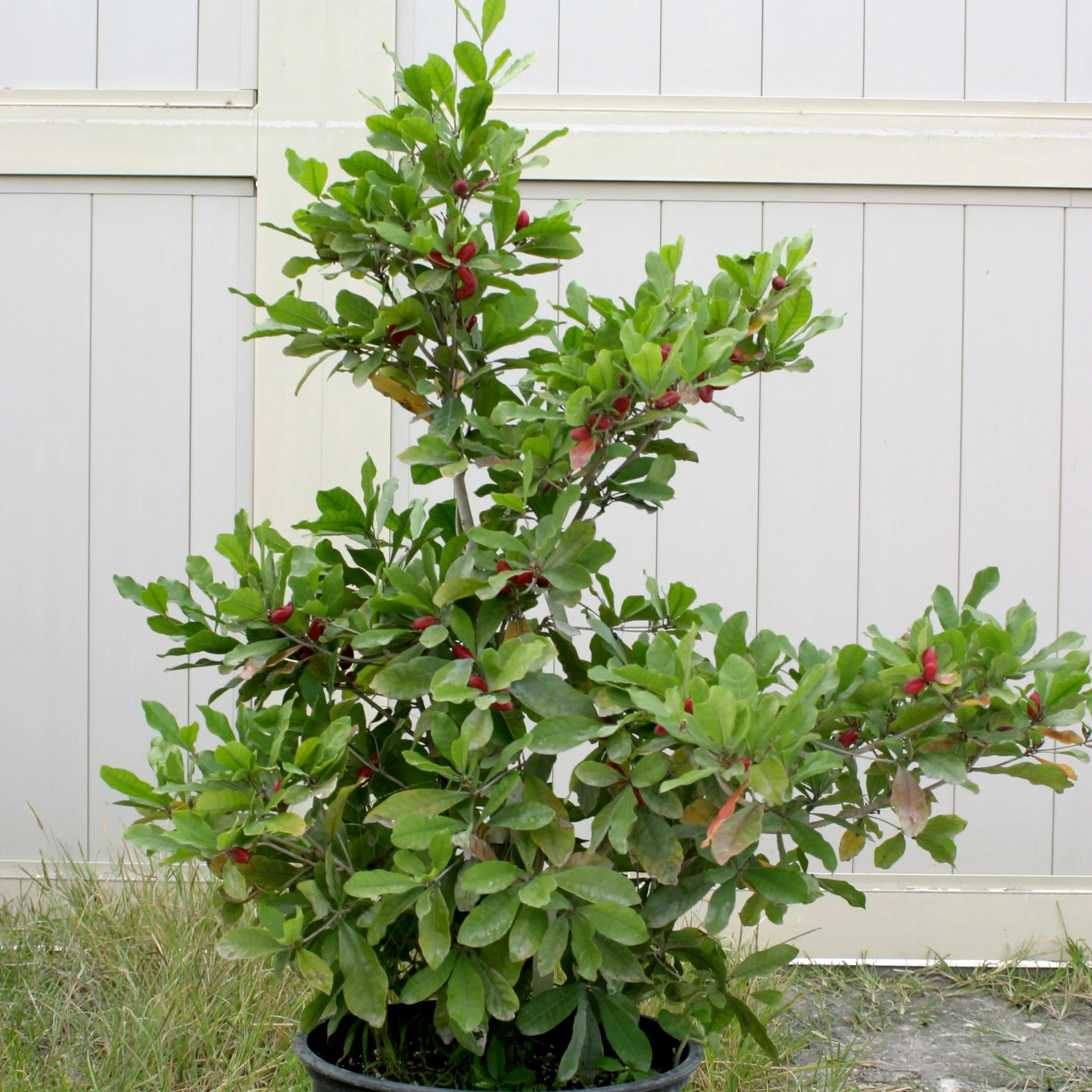
What are miracle berries?
Miracle berries (Synsepalum dulcificum) are an evergreen shrub native to tropical West Africa, also known as sweet berry and miracle fruit.
It bears red fruit ¾ to 1 inch (2-2.5cm) long with a seed surrounded by fleshy pulp.
The unique ability of miracle berries to make sour things taste sweet is due to the presence of dulcitol, a compound that can temporarily confuse your taste buds and make tart or sour things taste sweet.
Eating miracle berries only lasts while the pulp is in your mouth, but they can have a profound effect on your mood and overall well-being.
Therefore, it’s worth trying them out if you’re looking for a new way to experience sweetness.
How to grow miracle berries
Growing Miracle Berries (Synsepalum dulcificum) can be a rewarding experience, but they require specific tropical conditions, particularly highly acidic soil and warmth.
They are typically grown in containers outside of tropical and subtropical climates (USDA Zones 9-11) to control the environment.
Here is a guide on how to grow them:
1. Soil and pH Requirements (The Most Critical Factor)
Miracle Berry plants are extremely sensitive to soil conditions and must have a low, acidic pH to thrive.
- Ideal pH: pH 4.0 to 5.5 (Highly acidic).
- Potting Mix: Use a well-draining, airy mix that retains moisture. A common successful mixture is:
- 50% Peat Moss/Sphagnum Peat (to provide acidity and retain water)
- 50% Perlite or Pine Bark Fines (for excellent drainage and aeration)
- Acidifying the Soil/Water: If your tap water is alkaline, it will raise the soil pH over time. Use one of these methods to maintain acidity:
- Use rainwater, distilled water, or filtered water.
- Add coffee grounds (sprinkled lightly on top) or pine bark as mulch.
- Adjust the watering pH with a few drops of citric acid or white vinegar before watering (use a pH meter to confirm the level).
2. Light and Temperature
As a tropical evergreen, the Miracle Berry needs warmth and specific light levels.
Temperature
- Optimal: to ( to )
- Minimum: Do not let temperatures drop below 50º F (10º C), as the plant is not frost-tolerant and will lose leaves below 40º F (4º C).
Sunlight
- Outdoors: Prefers partial shade or filtered sunlight (mimicking its native forest understory). It can handle full sun if kept well-watered, but may perform better with some afternoon shade.
- Indoors: Needs very bright, indirect light, such as near a south-facing window
3. Watering and Humidity
Watering: Water regularly to keep the soil consistently moist, but never waterlogged. Allow the top inch or two of the soil to dry slightly before watering again. Overwatering is a common cause of root rot.
Humidity: This plant loves high humidity.
- To increase it: Mist the leaves frequently.
- Place the container on a pebble tray filled with water.
- In very dry indoor environments (especially winter), use a room humidifier or place a clear plastic bag/dome loosely over the plant.
4. Fertilizing
Miracle Berries are sensitive and do not require heavy feeding. Too much fertilizer can cause leaf burn.
- Type: Use an acid-loving plant fertilizer (like one for azaleas or camellias).
- Strength: Use a very dilute solution—about 1/4 to 1/8 of the recommended rate on the package.
- Application: Fertilize sparingly, only when the soil is already moist to avoid burning the roots. You can fertilize every few months or apply a slow-release fertilizer in the spring. Supplementing with Iron can help prevent yellowing leaves often caused by high pH.
5. Fruiting and Pollination
Fruiting Time: Seed-grown plants may take 2 to 4 years to begin fruiting, while plants grown from cuttings fruit sooner.
Pollination: The plant is self-pollinating (hermaphroditic), meaning you only need one plant to get fruit. However, to increase your yield, especially indoors, you can:
- Gently shake the plant when the small white flowers are open.
- Use a small, soft brush (like an artist’s brush) to lightly brush pollen between the flowers.
Summary of Care
| Condition | Requirement | Tip |
| Soil pH | 4.0 – 5.5 (Highly Acidic) | Use Peat Moss/Perlite mix; avoid tap water. |
| Light | Partial Shade to Bright Indirect Light | Protect from harsh afternoon sun. |
| Temperature | Consistently warm | Bring indoors for cold weather/winter. |
| Water | Consistently moist, but well-drained | Check the top 1-2 inches before watering. |
| Fertilizer | Acidic formula, very dilute | to strength; fertilize only when soil is moist. |
They are slow-growing plants that require care and attention to ensure they thrive and produce lots of fruit.
If you’re interested in growing miracle berries at home, start small with a few berries in a pot or outside on a sunny windowsill. With patience and dedication, you can cultivate your own miracle berries at home!
Miracle berries growing tips
Miracle berries require partial sunlight and occasional watering for growth.
Miracle Berries can be grown indoors or outdoors, with acidic soil and containers being preferred.
To grow miracle berries, you’ll need a sunny, dappled area to plant them in. It’s best if the soil is acidic, so add fruit husks or compost.
Miracle berries are slow to sprout, taking 8-10 weeks to mature, and grow slowly for about 4 years before reaching a height of 15-20 inches. They produce small, white flowers followed by vivid scarlet blooms which can be pollinated indoors or outdoors.
When growing miracle berries at home, it’s important to provide consistent care and attention to ensure that they thrive and produce high yields. This includes watering regularly and keeping the soil consistently moist but not waterlogged.
You can also cover the plants with nets for protection from harmful UV rays during the growing season.
How to harvest miracle berries
The miracle berry plant is a small tree or shrub, usually not more than 5.5 metres in height. It has edible berries that have a tangy flavor and can be eaten raw or cooked in various dishes. The plants have long harvest seasons that can last from late spring to fall.
It is important to harvest the berries when they are fully mature and flavorful. To reduce harm to the plants, cut them off with shears or scissors to reduce the risk of damage to the plant structure and fruit.
However, it’s also possible to harvest miracle berries as part of a sustainable farming practice.
By growing miracle berry plants as part of a crop rotation, farmers can increase their yield and improve soil health. In addition, adding an additional miracle berry plant can help increase the size of the crop.
Miracleberry flavors
The Miracle Berry, or Miracle Fruit (Synsepalum dulcificum), is famous not for its own taste, but for its extraordinary ability to change the flavor of other foods. The berry itself is mild—slightly sweet and tart. However, its pulp contains a glycoprotein called miraculin.
When you chew the fruit and allow the pulp to coat your tongue, the miraculin binds to the taste receptors. This protein temporarily modifies your perception, causing sour or acidic flavors to register as intensely sweet.
The flavor-altering effect lasts anywhere from 15 minutes to an hour, turning foods that are normally unpleasant or sharp into sugary treats.
The most dramatic flavor transformation occurs with acidic foods. For example, a slice of lemon or lime will taste like sweet lemonade or candy, while vinegar can taste like apple juice.
Other popular foods for the “flavor trip” include plain yogurt, strawberries, pineapples, grapefruit, pickles, and unsweetened cranberries, all of which are instantly perceived as being heavily sweetened.
It’s important to note that the berry does not affect salty, bitter, or spicy flavors in the same way; its magic is limited specifically to neutralizing sourness and tricking the brain into perceiving sweetness.
Miracleberry health benefits
The unique properties of the Miracle Berry offer several potential health and dietary benefits, largely stemming from its ability to alter taste without adding sugar or artificial sweeteners. The most significant benefit is its utility in sugar reduction and weight management.
By making sour and tart foods taste sweet, the berry allows individuals to enjoy a perception of sweetness while consuming naturally acidic foods like yogurt, citrus fruits, and raw vegetables, thus avoiding the calories and health risks associated with refined sugar.
This makes it a valuable tool for those managing diabetes or adhering to a low-sugar or keto diet.
Beyond sugar substitution, the Miracle Berry is being explored for its role in improving appetite and nutrition for specific patient groups.
For individuals undergoing chemotherapy, which often causes a metallic or bitter taste (dysgeusia) that leads to loss of appetite, consuming a Miracle Berry can temporarily restore a pleasant taste perception to food.
This can encourage patients to eat nutrient-rich foods that they otherwise find unpalatable.
Furthermore, the berries themselves are a natural, whole food source, containing antioxidants and a low amount of natural sugar, contributing positively to overall health as part of a balanced diet.
Miracleberry side effects
The Miracle Berry is generally regarded as safe for consumption, with reports of negative effects being rare when the fruit is eaten in moderation.
The primary side effect is an indirect one: because the miraculin protein makes highly acidic foods taste sweet, consumers might ingest an amount of acid (such as large quantities of lemon juice or vinegar) that their stomach isn’t used to, which can lead to temporary gastrointestinal discomfort, stomach ache, or heartburn.
While uncommon, there is a remote risk of an allergic reaction to the miraculin protein, and individuals with diabetes should monitor their blood sugar, as some plant extracts may have a blood sugar-lowering effect that could interact with their medication.
Miracle fruit may trigger an allergic reaction in some individuals. Before consuming miracle fruit, it is important to inform your healthcare provider of any allergies and consult your physician if you experience any adverse effects while using miracle berries or miracle fruit.
Frequently Asked Questions
How long does it take for a miracle berry plant to grow?
Miracle berry plants can take anywhere from 3-4 years to produce fruit when grown from seed.
They can reach up to 20 feet (6 m.) when grown in their native environment, but will typically only grow up to 5 feet (1.5 m.) when grown indoors.
Miracle berry plants require very bright light and a humid environment for growth; they should be planted in well drained, slightly acidic soil.
Miracle berry plants have a slow to moderate growth rate while young.
What does a miracle berry taste like?
Miracle berry tastes like a sour fruit that covers your taste buds for up to two minutes before you swallow.
During this time, the berry’s sour fruit taste covers all other taste receptors and you can’t taste anything else.
What does the miracle berry do?
The miracle berry is a fruit that is native to tropical West Africa and grows as a dense shrub or small tree.
Out of all the fruits in the world, this berry is the only one known to temporarily confuse the taste buds and make sour or tart foods taste sweet.
When eating miracle fruit for the first time, let the smooth flesh roll around your mouth and fully cover your taste buds for up to 2 minutes before swallowing.
Doing so will allow the fruit to effectively stimulate all of your senses.
The miracle berry plant is also used locally to sweeten palm wine and other beverages.
What are the benefits of miracle berries?
Some of the benefits of miracle berries include:
- Improved insulin sensitivity: Miracle berries can help to improve insulin sensitivity, making them beneficial for diabetics.
- Richer in antioxidants: Miracle berries are rich in antioxidants, which can provide health-promoting functions. These include shielding the body from damage done by free radicals, helping to protect cells and reduce inflammation!
- Addictive sweet satisfaction for the taste buds: Miracle berries are able to turn sour food into sweet satisfaction for the taste buds. This is because they contain high levels of fructose and glucose, which trigger your brain’s pleasure receptors.
- Easier to grow than you might think: Miracle berries plants can be grown in full sun or partial sunlight. They can also be grown in both acidic soils and pots, making them accessible to people in different climates.
- Can be sold fresh or dried: Miracle berries can be sold fresh or dried, making them versatile for different purposes.
Is miracle fruit illegal?
Miracle fruit is not illegal per se, but it does have some restrictions.
Miracle fruit extract was classified as a food additive by the U.S. Food and Drug Administration (FDA) in the 1970s, requiring further safety testing. The European Union also requires a safety assessment before miracle fruit extracts can be used as a food additive.
Miracle fruit is legal to purchase in most places and is commonly consumed as a novelty. Synsepalum Dulcificum, the scientific name for miracle fruit, is generally considered safe when used as directed.
How to eat miracle fruit?
Miracle fruit, also known as Miracle Berry, is a fruit that can be eaten to experience the unusual phenomenon of making sour foods taste sweet!
To use miracle fruit, you should eat it before something sour. Miracle fruit should be eaten before anything acidic (sour), carbonated (fruit-flavored), or alcoholic to experience the sweetening effect of the berry.
The smooth flesh of the Miracle Berry should be rolled around the mouth for up to two minutes to allow the Miraculin component to take effect. Once miracle fruit is ingested, its effects will typically last around two hours.
Miracle fruit can be grown indoors in a container or outdoors like a shrub, usually not exceeding 5.5 metres in height.
Conclusion
Now that you know how to grow miracle berries, it’s time to start harvesting them to make your own natural, plant-based food. Besides being tasty, these berries are also loaded with nutrients and antioxidants that boost the health of your loved ones.
You can also use them for making jams and juices. If you want to know more about this fruit and its benefits, feel free to share this blog on social media!